Prima-Prime
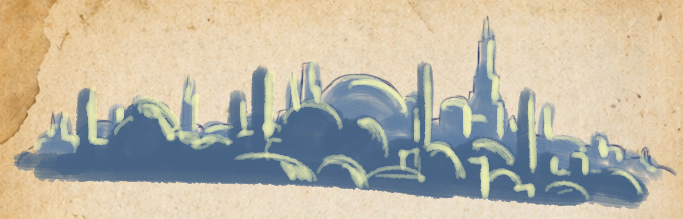
Just as I had predicted, the UEO bureaucracy proved entirely incapable of assigning us to a joint project immediately.
While Vladimir was dispatched to the Dietrich Sector for free-space assignments, I remained on Prima-Prime. Apparently, no existing project could quite match my “many talents” — which resulted in me being assigned to what could only be described as a particularly uninspired research position.
Most of my time was spent wandering the vast — and admittedly impressive — research archives, revisiting obscure material on trans-dimensional portals. A topic I had, entirely by coincidence, covered in my graduation thesis.
In parallel, I made it a point to visit HR on a daily basis.
Not because I believed it would change anything.
But because it was immensely satisfying.
The officer in charge, who had initially struck me as rather self-assured, began to show visible signs of deterioration. I suspect that, given enough time, I might have driven him to a complete collapse.
On the seventh day of this routine, as I exited the office —
accompanied by what sounded like a deeply frustrated sigh and the unmistakable impact of a heavy folder against a wall —
I quite literally ran into a Commander.
I was about to voice my displeasure when I noticed the insignia.
The complaint was immediately converted into what I believe was a very crisp salute.
“Ah! Junior Lieutenant Wilma. Just the person I wanted to meet!”
Before I could properly respond, he had already extended his hand — and after a brief moment of confusion, I found myself shaking it.
“You have me at a disadvantage, Sir.”
“Commander O’Donnel,” he replied, smiling. “But please — call me OD.”
And just like that, I was redirected.

This was how Vladimir and I came to join the Space Exploration & Science Group — SESG.
A newly formed division within the UEO, tasked with… well, almost everything.
OD promised us a joint assignment.
A real mission.
A newly discovered system. Survey and cartography.
At last — something worthy of our time.
But before that could begin, I was given a… preliminary assignment.
A nano-scale exploration project.
At first, I assumed this to be a theoretical
exercise.
It was not.
The assignment involved an experimental vessel,
a small team of scientists and officers —
and the rather unusual requirement that
we all be reduced to microscopic scale.
We were to be injected into the body of a
VIP patient.
Our objective:
Navigate the bloodstream, locate multiple
arterial blockages, remove them.
Simple.
In principle.
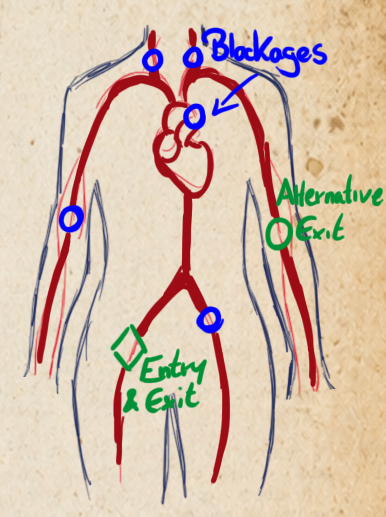
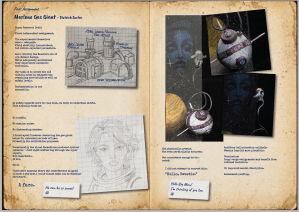
I would like to note that, at no point during my academic training, had I expected to find myself walking inside a human artery.
The reality was… difficult to describe.
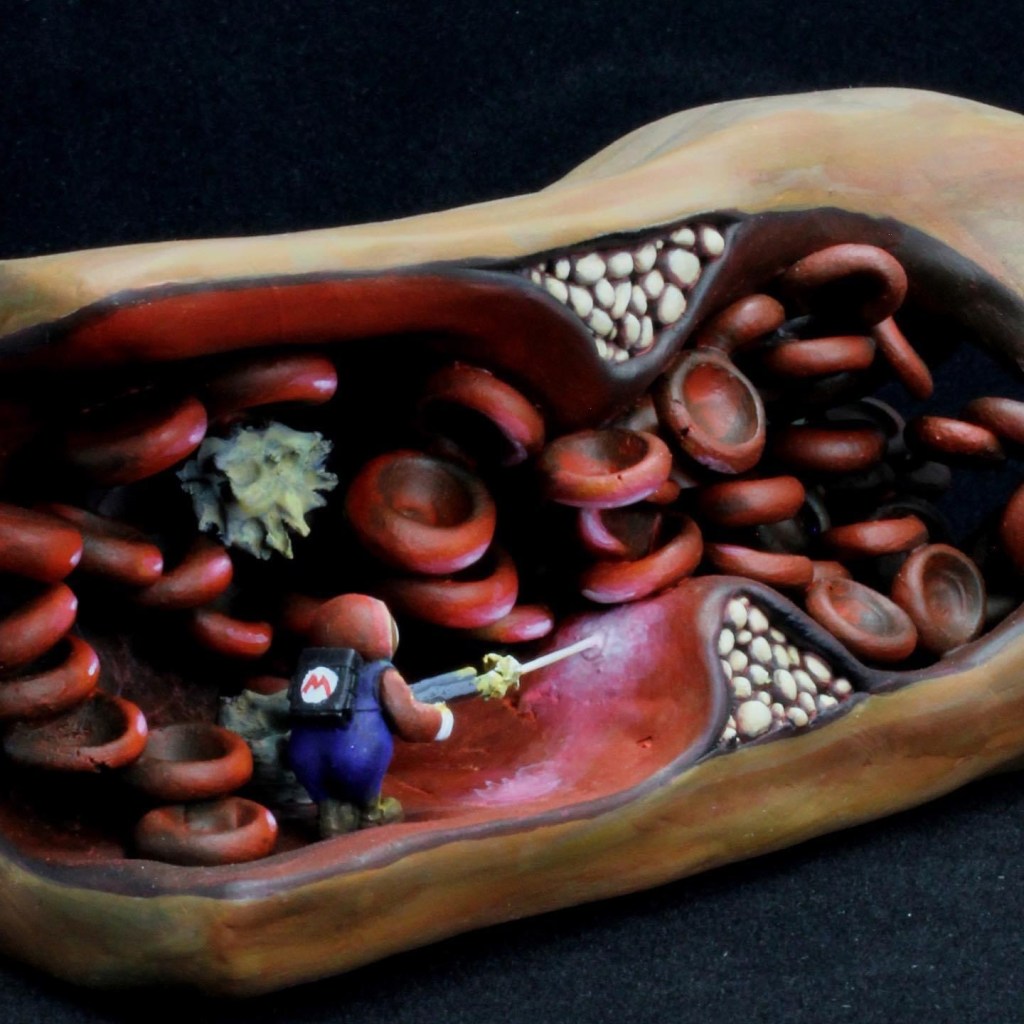
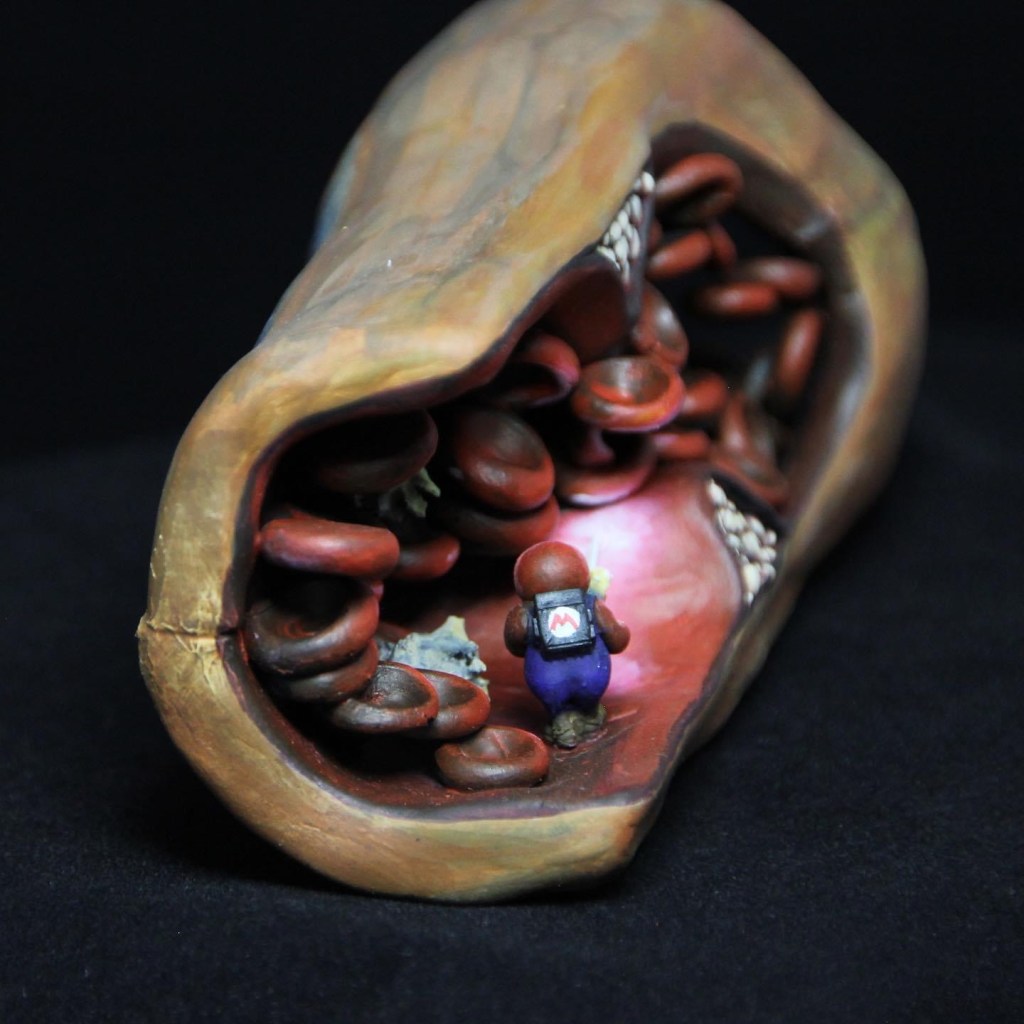
The vessel carried us through vast, pulsing tunnels of living matter. Red cells drifted past us like slow-moving cargo vessels, occasionally colliding in lazy currents.
The walls themselves seemed to breathe.
It was both fascinating…
and deeply unsettling.
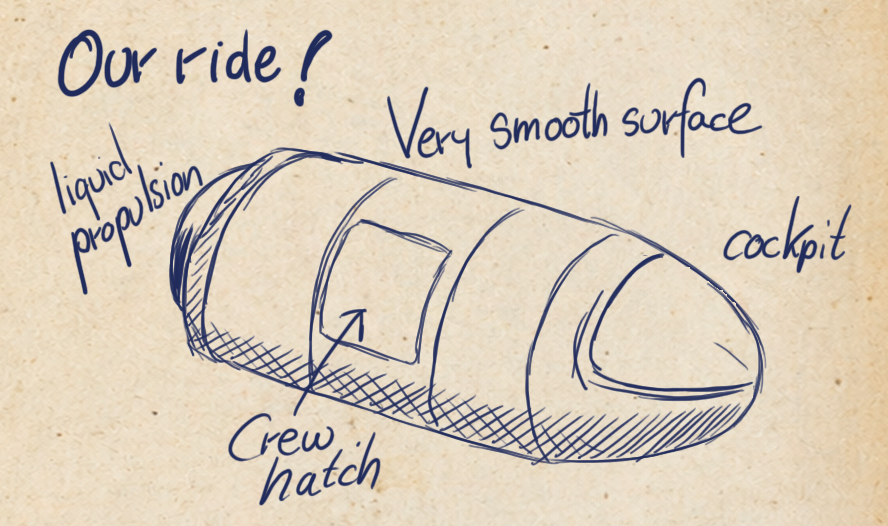
My role was to operate the experimental nano-laser system.
Target:
Thrombotic buildup in the arteria pulmonaris.
The procedure required precision.
And steady nerves.
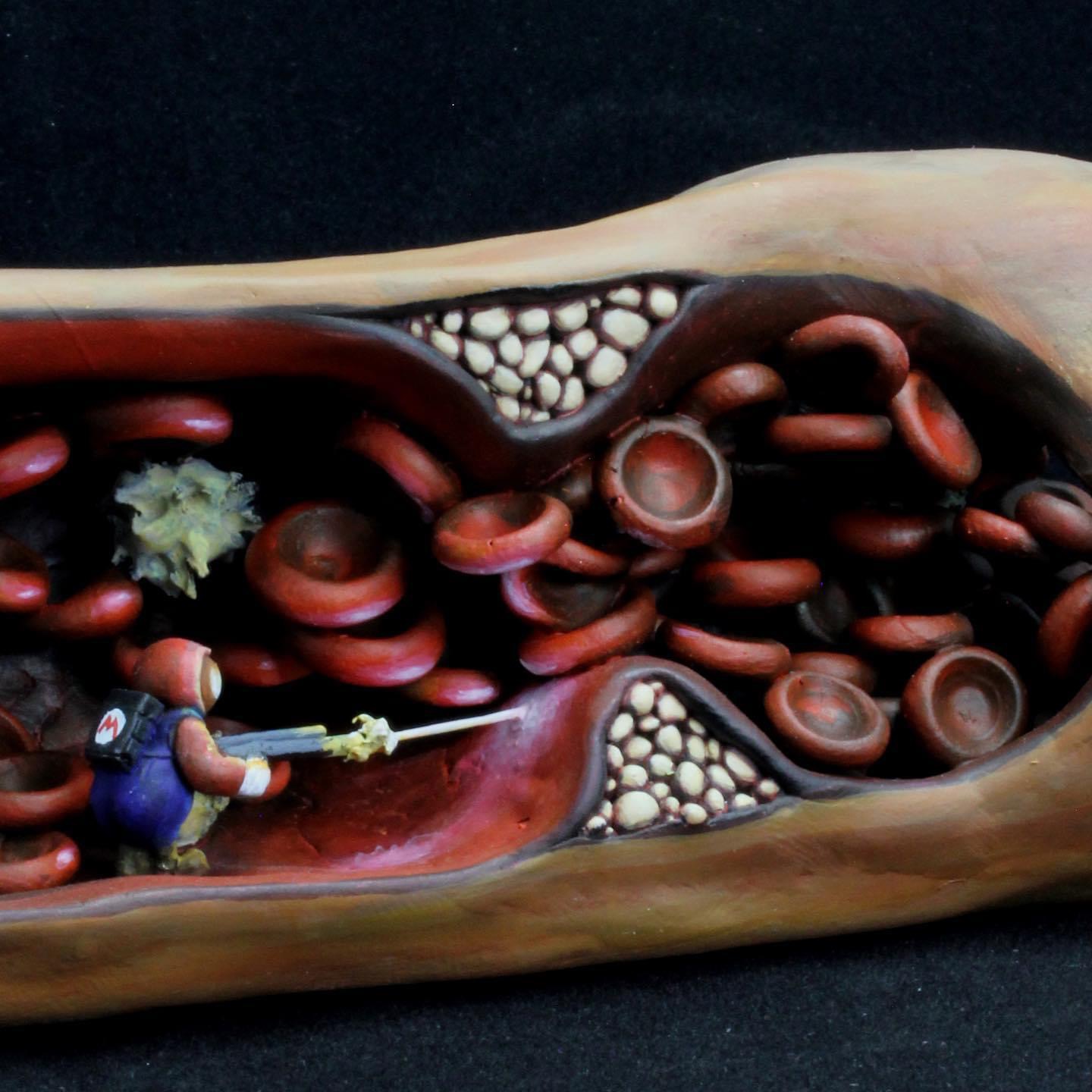
I am pleased to report that I possessed at least one of those qualities.
I didn’t expect to see her again.
Not like this.
No guards. No distance. No layers of protocol between us.
Just… her.
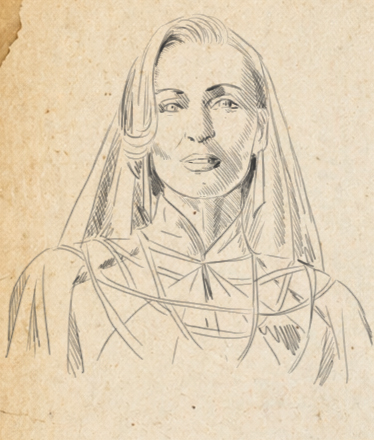
She‘s not what I thought – not at all!
She walked into the lab a few hours after the procedure, still pale, but standing upright, steady — very much alive in a way I hadn’t realised she wasn’t before.
“Lieutenant Wilma,” she said, and smiled in a way that felt entirely unpolitical.
“I was told you were… thorough.”
I think I forgot how to speak for a second.
She thanked all of us, of course. Properly. Formally.
But then she stayed.
Told us — no, told me — what it had been like before.
The constant pressure. The failing circulation. The quiet certainty that something inside her was slowly… stopping.
No dramatic speeches. No exaggeration.
Just facts.
And relief.
Real relief.
I suddenly felt very aware of my own thoughts.
Too calm?
Why so much security?
What are they not telling us?
Apparently… quite a lot.
But not what I thought.
She wasn’t hiding anything.
She was enduring it.
And trusting people like us to fix it.
I think I owe her an apology.
More than that, I owe her respect.
I won’t write that down, but I’ll remember it.
 journeysofmemory.com